
Unveiling the rich history of casino games a journey through time
Unveiling the rich history of casino games a journey through time
The Origins of Casino Games
The history of casino games can be traced back to ancient civilizations, where various forms of gambling were practiced. Archaeological evidence indicates that games of chance were popular in regions such as Mesopotamia and ancient China. Dice, one of the earliest tools for gambling, was used in these societies to decide fate and fortune, often linked to rituals and beliefs. Over time, the industry has seen innovations, including the emergence of platforms like fast payout online casino services, further shaping the way people engage with gambling.
As cultures evolved, so did the complexity of their games. The Romans introduced betting on gladiatorial contests, showcasing the intertwining of sports and gambling. Meanwhile, in Asia, the game of Pai Gow emerged, setting the stage for future card games. The simple act of wagering began to evolve into structured games, leading to the establishment of the first casinos much later in history.
The Rise of Modern Casinos
The modern casino as we know it began to take shape in the 17th century, particularly in Italy with the creation of the first gambling houses. The term “casino” itself originated from the Italian word for ‘little house’, reflecting the idea of a social gathering space where people could enjoy games of chance. These establishments attracted the wealthy elite, setting the foundation for casino culture.
The 19th century saw the proliferation of casinos across Europe, particularly in France, where games like roulette and baccarat became prominent. The establishment of the famous Monte Carlo Casino in 1863 marked a significant milestone in gambling history, drawing tourists and high rollers from around the globe, further popularizing casino gaming.
Casino Games Through the Ages
Throughout the centuries, casino games have continually adapted and transformed. The introduction of playing cards in Europe during the 14th century revolutionized gambling, leading to the creation of poker and blackjack. These card games gained immense popularity, giving rise to various regional variations that are still played today.
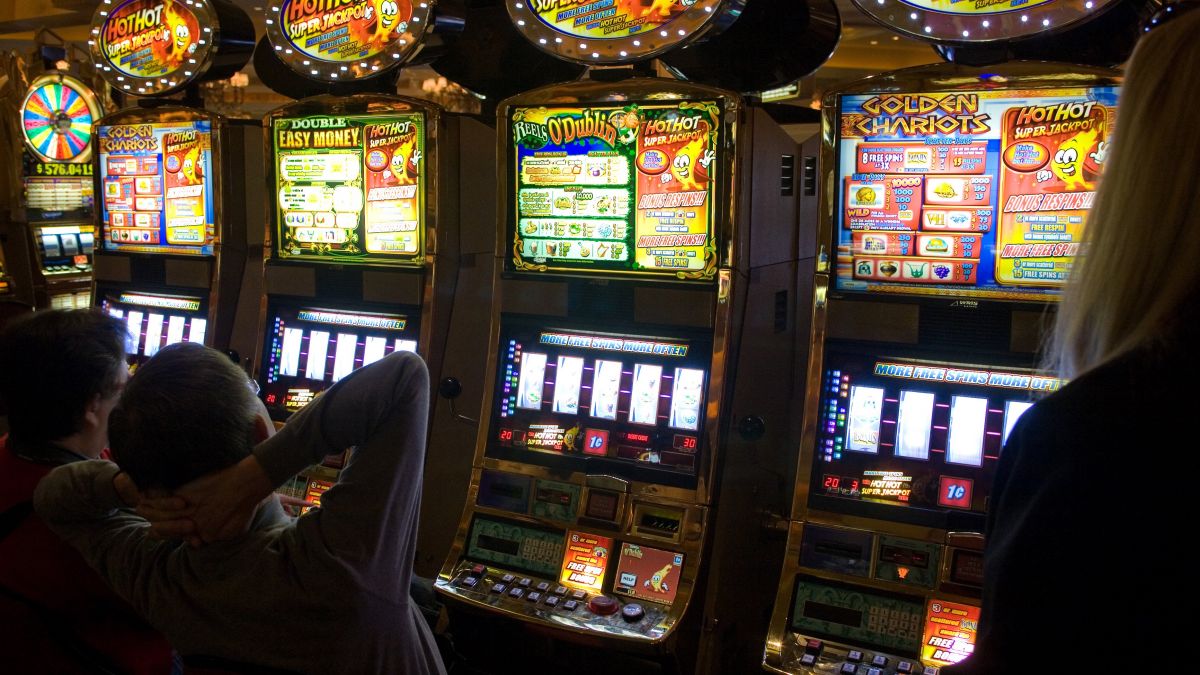
As technology advanced, so too did the gaming experience. The late 19th century brought about the invention of the slot machine, further diversifying the types of games available in casinos. These mechanical devices quickly captured the imagination of players, leading to a gambling boom that would shape the industry’s future.
The Cultural Impact of Gambling
The influence of casino games extends beyond mere entertainment; it has permeated various aspects of culture and society. From literature to films, gambling often serves as a powerful metaphor for risk, chance, and human ambition. Iconic movies like “Casino Royale” and classic novels like “The Gambler” illustrate the dramatic allure of gambling and its consequences.
Moreover, the legalization of casinos in various regions has had significant economic implications, creating jobs and generating revenue. However, this has also prompted discussions on the social impacts of gambling addiction and regulation, highlighting the need for responsible gaming practices in modern society.

Understanding the Evolution of Casino Games
Today, the landscape of casino games continues to evolve with the rise of online gaming platforms and mobile apps. This digital revolution has made gambling more accessible, drawing in a new generation of players. The shift from physical casinos to virtual environments has changed the dynamics of how games are played and experienced.
As we reflect on the journey through time, it becomes clear that casino games are more than just a pastime; they are a testament to human creativity, cultural exchange, and the ever-changing nature of entertainment. Understanding this rich history enriches our appreciation for the games we enjoy today.